Contact
- Address:Sariyer Kirecburnu, Istanbul
- Hours:Every day 09:00 - 23:00
- Kitchen:Daily fresh fish and Turkish mezes
- View:Istanbul Bosphorus
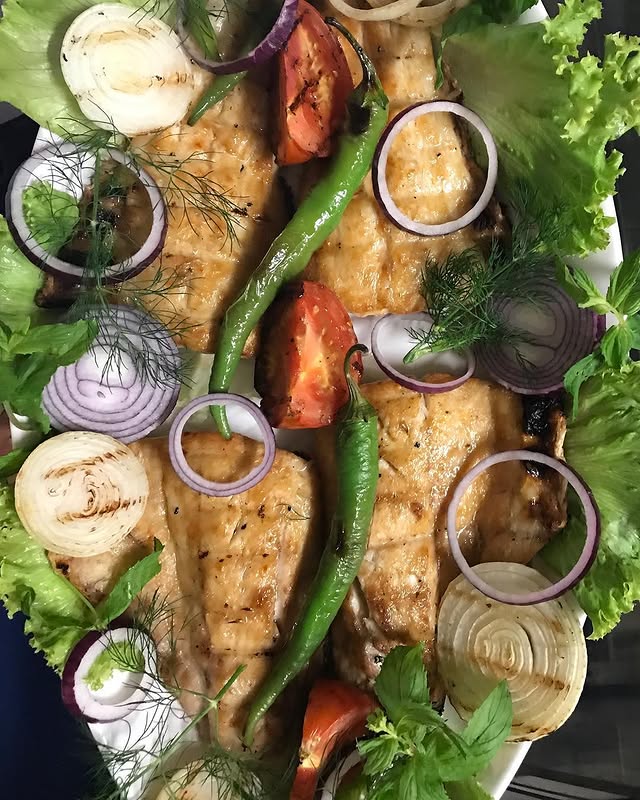
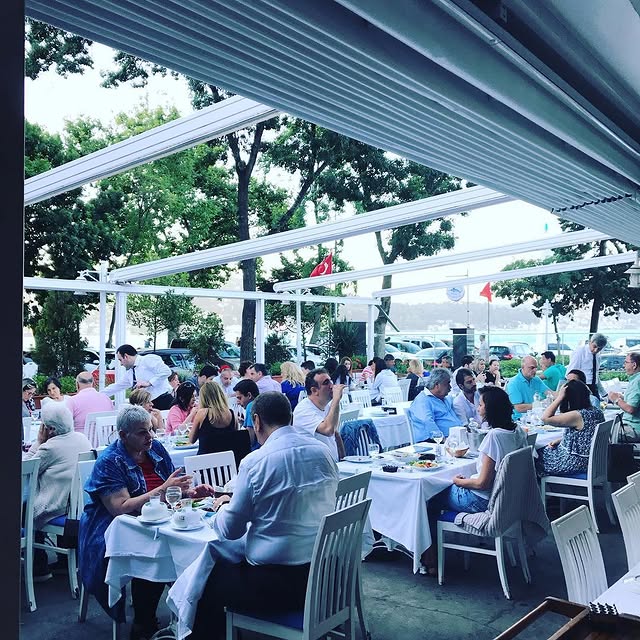
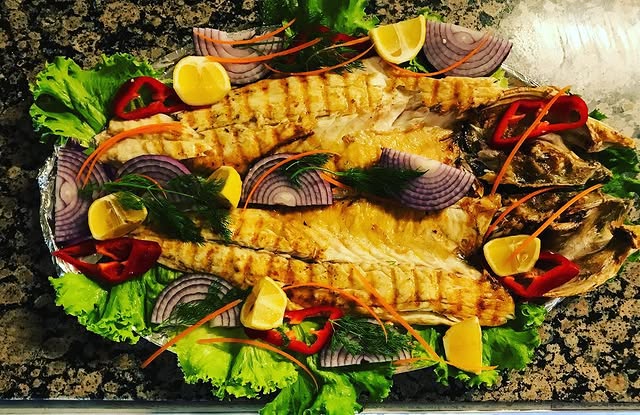
What to Eat in Kireçburnu in Winter: Fish Soup & Hot Meze
When the Bosphorus turns slate-grey and the wind comes down the strait from the Black Sea, the question of what to eat in Kireçburnu in winter answers itself fairly quickly: something hot, something from the sea, and enough small plates to keep the table busy while the main course is being prepared. Winter is not the quiet season for Istanbul seafood — it is the season when the fish themselves are at their most interesting, and when the cooking shifts from light and lemony to deeper, warmer and more generous.
This guide looks at the two pillars of a cold-weather table at a Bosphorus fish restaurant: fish soup and the Turkish institution of ara sıcak, the hot starters that sit between the cold meze and the grilled fish. It also covers which fish are worth ordering between December and March, how a winter meal is sequenced, and what to know before you head to the Sarıyer coast.
Why Winter Changes the Seafood Table
Turkish seafood culture is seasonal by nature. The cold months bring different fish into their best condition, and the kitchen's rhythm changes with them. Summer tables lean on lighter fare — cold olive-oil mezes, sea bass, salads, plenty of lemon. As the water cools, the cooking turns toward soups, butter, grilled bread, and meze with a bit more weight.
Winter also changes how people eat. A meal by the water in January is a longer, slower affair. The rakı is poured more carefully. The table fills up in stages rather than all at once. Understanding that sequence is the single most useful thing a first-time visitor can learn.
Fish Soup: The First Warm Thing on the Table
In Istanbul's seafood restaurants, fish soup (balık çorbası) is usually served at the very beginning, before the meze arrive or alongside the first of them. It is a practical dish as much as a pleasure: it warms you up after a walk along the waterfront, settles the appetite, and sets the tone for the rest of the meal.
What to Expect from a Bosphorus-Style Fish Soup
There is no single recipe, but the family of soups you find along the strait tends to share certain characteristics:
- A clear or lightly thickened broth built from fish stock, sometimes with vegetables and herbs.
- Seasonality in the pot — the fish used often depends on what came off the boats that week.
- Lemon and olive oil offered on the side rather than added in the kitchen, so you can adjust the acidity yourself.
- Bread for dipping, usually a crusty loaf rather than sliced sandwich bread.
Some versions are rustic and chunky, closer to a stew. Others are strained and delicate. Both are legitimate, and neither is a sign of quality on its own — what matters is that the broth tastes of fish rather than of flour or stock cubes.
How to Order and Eat It
Order one soup per person if it is your first course, or split one between two if you are planning a large spread of meze. Resist the urge to season it heavily before tasting. Add lemon gradually. And if the soup arrives very hot — which it should — give it a minute; the flavour is easier to read once it has cooled slightly.
Ara Sıcak: The Hot Starter Culture
Ara sıcak literally means "in-between hot" — hot dishes served after the cold meze and before the main fish. It is one of the most enjoyable parts of a Turkish seafood meal and also the one most often misunderstood by visitors, who either skip it entirely or over-order and arrive at the fish already full.
The point of ara sıcak is contrast. You have been eating cold, olive-oil-based plates; now something warm, savoury and often pan-fried arrives to reset the palate.
What Counts as a Hot Starter
The category is broad and varies by kitchen. Typical examples across Istanbul's seafood restaurants include:
- Pan-fried or grilled calamari, served hot rather than at room temperature
- Battered and fried small fish or shellfish
- Grilled octopus, dressed simply with oil and herbs
- Fried mussels or mussels in a hot shell-on preparation
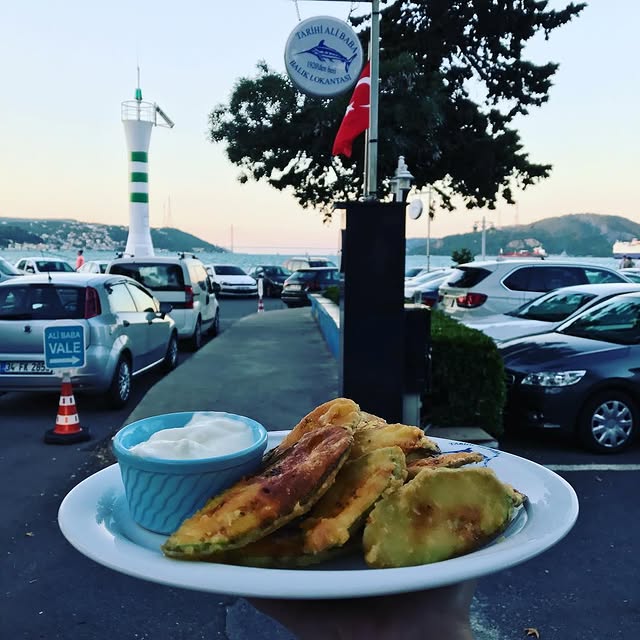
- Vegetable dishes that benefit from heat — fried peppers, aubergine preparations, courgette fritters
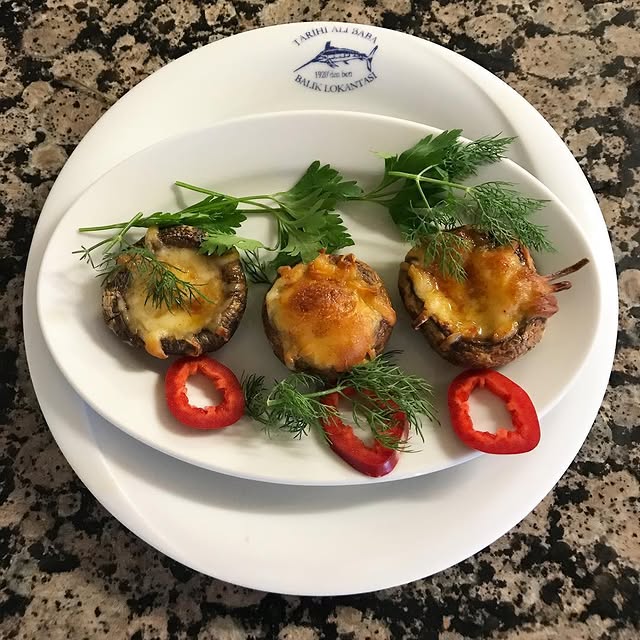
- Warm cheese or pastry-based plates that appear on some seafood menus
Not every restaurant treats these as a distinct course, and in some places the line between cold meze, hot starter and main is deliberately blurred. Ask what the kitchen considers its hot starters — it is a completely normal question and usually gets you the most useful answer of the evening.
How Many to Order
For a table of two, two to three hot starters alongside two or three cold meze is a comfortable ratio if you are also having soup and a main fish. For four people, four or five hot starters shared works better than one each, because the pleasure is in the variety. Order in waves rather than all at once; hot food that sits on the table cools quickly, and frying in particular loses its point when it has been waiting.
Sequencing a Winter Meal
A cold-weather table at a Bosphorus fish restaurant tends to follow this order:
- Bread and a first drink. Nothing arrives faster, and everything else is built on it.
- Cold meze — a few plates to open the appetite.
- Fish soup — the warm turning point of the meal.
- Ara sıcak — hot starters, served as they come out of the kitchen.
- Main fish — grilled, pan-fried or baked, usually shared or ordered per person.
- Something small to finish — fruit, a sweet, or simply coffee.
There is no rule that says you must follow this exactly. Plenty of regulars skip the soup, or order soup and meze and nothing else. But if you want to understand how the meal is meant to feel in winter, the soup-then-hot-starters-then-fish progression is the clearest route in.
Which Fish Are Worth Ordering in Winter
Istanbul's winter fish calendar is one of the reasons the cold months are worth eating out. Availability shifts with the weather and the season, so treat the following as a general guide rather than a fixed menu:
- Hamsi (anchovy) — the defining winter fish of the region, abundant in the coldest weeks and served fried, grilled or in rice dishes.
- Palamut and torik (bonito and its larger form) — meaty, oily fish that stand up well to grilling and are strongly associated with autumn moving into winter.
- Lüfer and çinekop (bluefish) — the smaller and larger forms of a fish that Istanbul diners take seriously; good grilled or pan-fried.
- İstavrit (horse mackerel) — modest, reliable, excellent fried.
- Kalkan (turbot) — a cold-water fish, often baked, suited to a special-occasion table.
- Tekir (red mullet) — small, sweet, and well suited to frying.
Ask what came in recently. At a fish restaurant on the Bosphorus, that question is heard every day and is a better guide than any printed list. Fish that is out of season, or that has been sitting too long, is the one thing no amount of good cooking can fix.
Meze, Rakı, and the Pace of a Winter Evening
The cold months change the meze table subtly. There is often a little more room for warm continuity, for dishes that sit comfortably next to soup, and for flavours that don't rely on the freshness of summer produce. This is also the season when the rakı-balık tradition feels most natural: a slow table, ice in the glass, a view of the water getting darker outside the window.
What to drink if rakı isn't your preference? Turkish white wines work well with grilled fish, and many seafood restaurants offer a short but sensible list. Ayran is a good non-alcoholic match for fried dishes. Hot tea at the end is close to universal.
Kireçburnu, Sarıyer, and the Northern Bosphorus
Kireçburnu sits on the European shore of the Bosphorus within Sarıyer, north of the city's busier waterfront districts. It is quieter than Ortaköy or Beşiktaş, the water is more open, and the light in winter falls low and long across the strait. For anyone researching where to eat fish in Istanbul, that combination matters: you get a waterfront meal without the density of the central tourist stretch.
Sarıyer as a whole has a strong seafood identity, and the coastal villages along it are where many Istanbul residents go when they want a proper fish dinner rather than a quick one. If you are planning an evening in the area, the practical points are simple: arrive hungry, allow two hours rather than one, and reserve ahead — winter weekends on the Bosphorus fill up, particularly around dinner.
Where Tarihi Ali Baba Balık Lokantası Fits
Tarihi Ali Baba Balık Lokantası has been serving seafood in Kireçburnu with a history dating back to 1920, which places it among the long-established fish restaurants of the northern Bosphorus. That continuity is worth something in a city where waterfront dining changes quickly: it suggests a restaurant built around the rhythm of the seasons rather than a fixed formula, and one used to feeding people who come specifically for fish.
For this particular topic, the relevant details are straightforward. It is a seafood restaurant. It is in Kireçburnu, in Sarıyer, on the Bosphorus. It has a view over the water and a history since 1920. If you are looking for a winter table where soup, hot starters and seasonal fish are the natural order of the evening, it is a reasonable place to start — and the best way to judge the rest is to sit down and order.
Practical Tips for a Cold-Weather Visit
- Reserve ahead. Winter evenings along the Bosphorus get busy, especially at the weekend. A quick WhatsApp message is usually the simplest way to secure a table.
- Ask about the day's fish. Availability changes; the answer tells you more than the menu.
- Order soup early. It sets the pace of the meal and warms the table.
- Don't over-order hot starters. Two or three between two people is plenty if fish is still to come.
- Dress for the waterfront. Even indoors, a table by the window in January is a different experience from a summer one.
- Allow time. A winter seafood dinner is not a quick meal, and it shouldn't be.
Reserve your table for the freshest seafood and a tradition of taste since 1920. Contact us via WhatsApp for quick reservations with a Bosphorus view.
---
🐟 Historic Ali Baba Seafood Restaurant | 📍 Kireçburnu, Sarıyer, Istanbul | 🌐 alibababaliklokantasi.com | 📞 Reserve via WhatsApp
FAQ
What is typically eaten in Kireçburnu in winter?
Winter tables in Kireçburnu follow the broader Istanbul seafood pattern: cold meze, fish soup, hot starters known as ara sıcak, and a main fish chosen from what is in season — often hamsi, palamut, lüfer or istavrit. The emphasis shifts toward warm dishes and slower meals than in summer.
Is fish soup a starter or a main course?
In Turkish seafood restaurants it is almost always a first course, served before or alongside the meze. Portions are usually moderate. If you order a large spread of meze and hot starters, one soup between two people is often enough.
What does ara sıcak mean?
Ara sıcak translates roughly as "in-between hot" and refers to hot starters served after the cold meze and before the main fish. The category includes things like fried calamari, grilled octopus, fried small fish and hot vegetable dishes. It exists to provide contrast and warmth in the middle of the meal.
Which fish are best in Istanbul during winter?
Hamsi is the signature winter fish of the region, with palamut, torik, lüfer, çinekop, istavrit, tekir and kalkan also favoured in the colder months. Availability varies with weather and fishing, so asking what arrived recently is always the most reliable approach.
Do I need a reservation at a Bosphorus fish restaurant in winter?
It is strongly recommended, particularly for weekend dinners. Waterfront restaurants along the Sarıyer coast fill up quickly in the colder months, and a short WhatsApp message ahead of time avoids arriving to a full room.
Is it worth visiting Kireçburnu in the cold months?
Yes, if you are going for the food and the water. The northern Bosphorus is quieter in winter than the central districts, the winter fish are at their best, and the slower pace suits a long seafood dinner. Just plan for the weather and book ahead.
25.11.2026
Featured Publications
Notes on fish season, Bosphorus tables and traditional meze culture.