Contact
- Address:Sariyer Kirecburnu, Istanbul
- Hours:Every day 09:00 - 23:00
- Kitchen:Daily fresh fish and Turkish mezes
- View:Istanbul Bosphorus
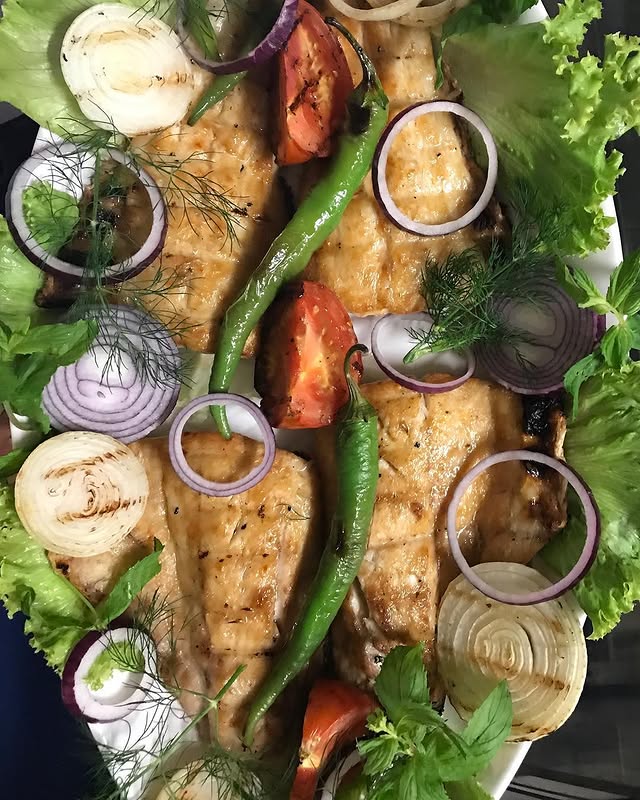
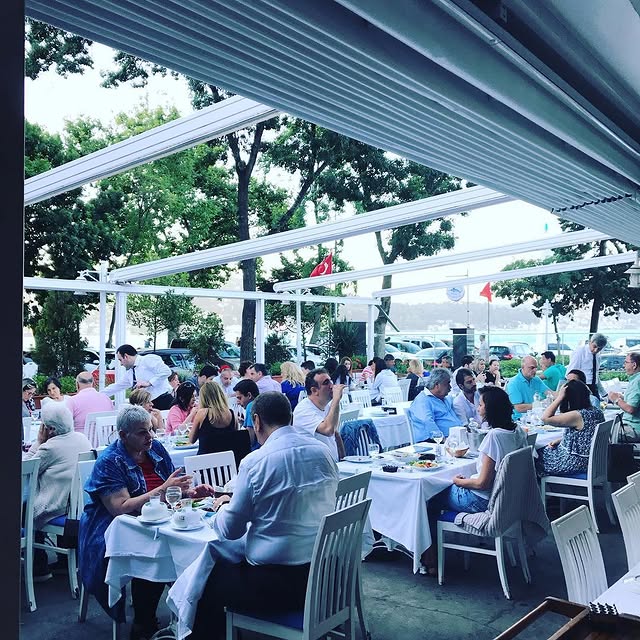
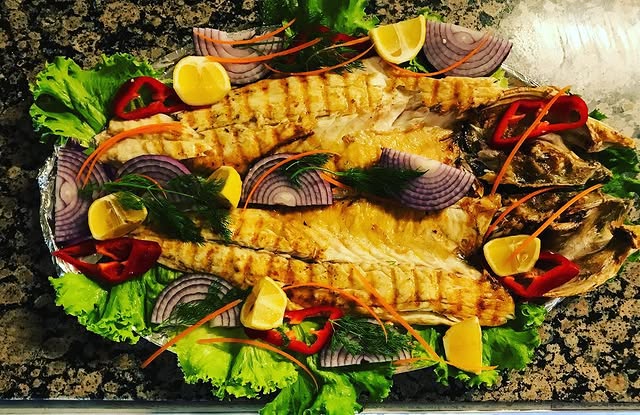
From Barber Shop to Bosphorus Table: Ali Baba's Story
Some restaurants announce themselves with a view. Others begin with a story that reaches back further than the first plate placed on the table. In Kireçburnu, on the European shore of the Bosphorus, the story of Tarihi Ali Baba Balık Lokantası is remembered as one that started away from the water — in a barber's chair, in the hands of an immigrant who carried a trade, a habit of hospitality and a quiet ambition into a new city. It is the story of Ali Baba, from barber shop to restaurant, and of an immigrant's trace left on the Bosphorus.
That arc — from a small shop serving a neighborhood to a table serving guests by the sea — says something about Istanbul itself. The city has always absorbed newcomers, reshaped their trades, and turned some of them into institutions. This article looks at that journey: what a barber's craft shares with a restaurant's table, how a Bosphorus setting changes the way we eat, and what a history reaching back to 1920 means for anyone planning a meal in Sarıyer today.
A Story That Begins Away from the Sea
Before the fish, the meze and the view, there was a shop with a mirror, a chair and a queue of regulars. In early twentieth-century Istanbul, the barber was not simply someone who cut hair. He was a confidant, a source of news, a keeper of small local rituals. Men stopped by not only for a shave but for conversation, and a good barber knew the neighborhood's rhythms better than almost anyone.
For an immigrant arriving in the city, the barber's trade offered something valuable: a skill that traveled well, a low threshold to open a small shop, and daily contact with the people around him. It was a way to belong. The story of Ali Baba is framed around this beginning — a barber's shop that, over time, gave way to a restaurant — and it is a familiar pattern in Istanbul, where trades have often passed from one generation to the next and where a single street corner can hold several lifetimes of work.
What a Barber's Craft Shares with a Restaurant's Table
It would be easy to treat the barber shop and the restaurant as two unrelated chapters. In practice, they share more than they appear to.
- Precision. A shave done well requires a steady hand and attention to small details. So does a kitchen that sends out dozens of plates without losing its rhythm.
- Hospitality. A barber's shop runs on the comfort of its regulars. A restaurant runs on the same instinct — making people feel expected rather than tolerated.
- Memory. A barber remembers how a customer likes his hair. A good restaurant remembers how a guest likes to eat.
- Continuity. Both trades depend on people returning. Neither survives on first-time visitors alone.
Seen this way, the move from barber shop to restaurant is less of a break than a translation. The tools change; the underlying craft — caring for people in a small, familiar setting — does not.
Kireçburnu and the Bosphorus: Where the Story Settled
Kireçburnu sits in Sarıyer, on the Bosphorus, in a part of Istanbul that still feels closer to a working shoreline than to the dense center. The neighborhood's identity is tied to the water: ferries, fishing boats, morning walks along the coast, and a strait that changes color with the weather.
That setting shapes a seafood restaurant in ways that are easy to underestimate. A Bosphorus table is not only about the view. Proximity to the water has historically shaped how fish is bought, prepared and eaten in Istanbul — the expectation of freshness, the habit of asking what came in that morning, the preference for preparations that let the fish speak for itself.
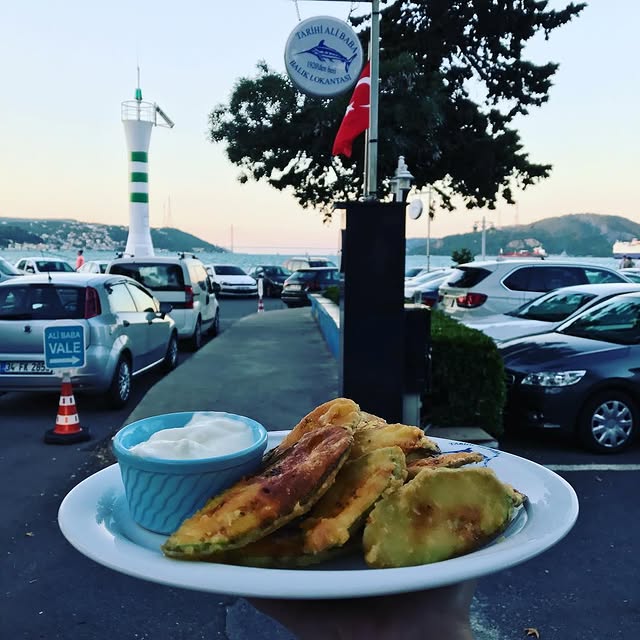
Tarihi Ali Baba Balık Lokantası is located in this setting, in Kireçburnu, and its long history places it within a wider Sarıyer and Bosphorus dining tradition rather than apart from it. For anyone searching for where to eat fish in Sarıyer or Kireçburnu, that context matters: the neighborhood is part of the experience, not a backdrop to it.
Since 1920: Reading a Long History Carefully
The restaurant's history is dated to 1920. That is a long span for any establishment, and it is worth treating with the care such a claim deserves. A history of more than a century does not tell us everything about a place — menus change, neighborhoods change, generations change hands — but it does tell us that a table has been kept, through periods when Istanbul itself was being remade.
For a diner, the practical value of that continuity is modest but real. Long-running restaurants tend to develop an internal logic: a way of sourcing, a way of preparing, a way of pacing a meal. They also tend to know what their regulars expect. That is not a guarantee of quality, but it is a form of accumulated judgment that newer places have to build from scratch.
What to Expect at a Bosphorus Fish Restaurant
If you are planning a meal at a Bosphorus seafood restaurant, a few expectations will help you order well and enjoy the experience more.
Meze first, then fish
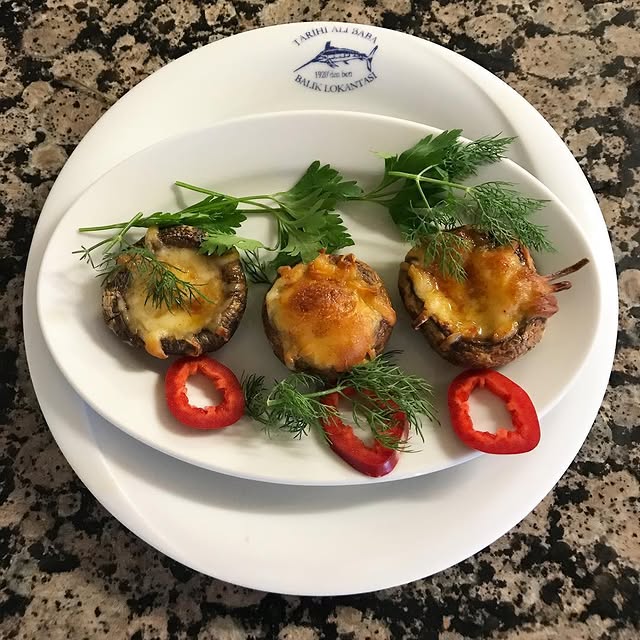
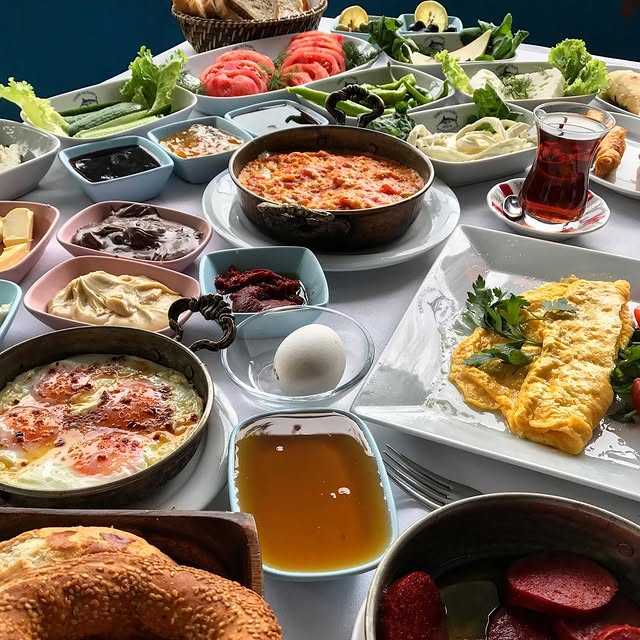
Turkish seafood dining usually begins with meze — small plates served cold or at room temperature, sometimes warm — followed by the main fish course. Meze is not a starter in the strict Western sense; it is a shared, unhurried opening that sets the pace for the table. Order a spread rather than a single plate, and let the table share.
Ask what is in season
Fish in Istanbul is seasonal, and the menu often follows the water rather than the other way around. Asking what is fresh that day is normal and expected. A restaurant that welcomes the question is usually a restaurant that is comfortable with its sourcing.
Rakı-balık is a rhythm, not a rule
The pairing of rakı with fish and meze is a well-established Turkish dining tradition, but it is not obligatory. The point of rakı-balık is the pace — slow, conversational, spread across an evening. If you prefer wine or a non-alcoholic option, the format still works; the rhythm is what matters.
Choosing Fish Through the Year
Seasonal knowledge helps you order with confidence. Turkish waters offer different fish at different times, and a Bosphorus restaurant will typically reflect that.
- Autumn and winter are associated with richer, oilier fish — hamsi, istavrit, palamut and, for many, lüfer as the highlight of the season.
- Spring and summer tend to favor lighter options, with levrek and çipura widely available and often grilled.
- Late winter into early spring can be a transitional period, when the selection shifts and asking the kitchen is more useful than relying on habit.
These are broad patterns, not fixed rules. The most reliable approach is simple: ask what arrived recently, and let the answer guide the order.
When to Visit and How to Plan
The Bosphorus is at its most distinctive at different hours. Lunch offers daylight on the water and a quieter pace; dinner brings the strait into a different mood, with the shoreline lights and a slower table. Both work, and the right choice depends on whether you are treating the meal as a pause in a day of exploring Sarıyer or as the main event of an evening.
A few practical points:
- Reserve ahead for weekend evenings and for any table where the view matters to you.
- Plan for a longer meal. A meze-and-fish table is not a quick stop; it is designed to be sat with.
- Getting there is easiest by car or taxi along the Bosphorus, or by public transport toward Sarıyer followed by a short connection to Kireçburnu.
A Table That Carries a Story
What makes a restaurant worth returning to is rarely a single dish. It is the sense that the place knows what it is. A barber shop that became a restaurant, an immigrant's trade carried into a new setting, a table kept by the Bosphorus since 1920 — these are not marketing lines so much as a way of explaining why some places feel settled in their surroundings.
If you are looking for a seafood meal in Sarıyer or Kireçburnu, the story of Ali Baba is a useful frame. It tells you what kind of restaurant you are walking into: one with a long memory, a neighborhood setting, and the Bosphorus just outside.
Reserve your table for the freshest seafood and a tradition of taste since 1920. Contact us via WhatsApp for quick reservations with a Bosphorus view.
---
🐟 Historic Ali Baba Seafood Restaurant | 📍 Kireçburnu, Sarıyer, Istanbul | 🌐 alibababaliklokantasi.com | 📞 Reserve via WhatsApp
Frequently Asked Questions
Where is Tarihi Ali Baba Balık Lokantası located?
The restaurant is in Kireçburnu, in the Sarıyer district of Istanbul, on the Bosphorus.
What does "Tarihi" mean in the restaurant's name?
"Tarihi" means "historic" in Turkish. It signals that the establishment dates back a long way — in this case, to 1920 — rather than describing a specific style of cooking.
Do I need a reservation?
For weekend evenings and for tables where the Bosphorus view matters, reserving ahead is advisable. Reservations can be made via WhatsApp.
What is rakı-balık culture?
Rakı-balık is the Turkish tradition of pairing rakı with fish and meze over a long, unhurried meal. It is as much about the pace of the evening as it is about the drink itself.
Which fish should I order?
It depends on the season. Autumn and winter bring oilier fish such as hamsi, istavrit and palamut; spring and summer tend to favor levrek and çipura. Asking what is fresh that day is the most reliable guide.
Is the restaurant suitable for a Bosphorus-view dinner?
The restaurant is located in Kireçburnu on the Bosphorus, and the setting is part of the experience. If a view matters to you, mention it when reserving.
How do I get to Kireçburnu?
Kireçburnu is reached by road along the Bosphorus toward Sarıyer, or by public transport to Sarıyer followed by a short connection to the neighborhood.
20.11.2026
Featured Publications
Notes on fish season, Bosphorus tables and traditional meze culture.